
Dan has personally tested more than 50 large tablets since 2021, living with each one as his only computer for at least two weeks before writing a word.
Dan Mercer
Founder & Lead Reviewer, Large-Tablet.com
Experience
I review large tablets — 12 inches and up — and I try to answer one honest question: is this really worth your $1,000-plus? Since 2021 I’ve tested more than 50 tablets from Apple, Samsung, Lenovo, Microsoft, OnePlus, Xiaomi and others. Between 2021 and 2023 I worked as an independent mobile device consultant, repairing and configuring Android and Apple hardware for hundreds of people.
Areas of Expertise
Read full bio
Short Answer
- iPads offer the best app quality and longest support, but you pay more upfront and for accessories.
- Android tablets give you more screen and often include a stylus for less, but app quality and updates vary by brand.
- Windows 2-in-1s are the only true laptop replacements, yet they’re pricier and less comfortable as pure tablets.
- Match your tablet OS to the ecosystem you already use daily: mixing platforms costs you convenience and money.
Table of Contents
Quick-Comparison
Here’s the 30-second snapshot. Which tablet will still feel current three years from now? I’ve seen too many friends grab a budget Android slate, only to discover the manufacturer abandoned it after a single update.
The Lenovo Idea Tab Pro, for instance, is promised just two major OS upgrades: a detail buried in the fine print that most shoppers miss.
That’s the kind of hidden cost that turns a bargain into a paperweight. The platform you pick dictates your app library, accessory ecosystem, and how long you’ll get software updates, not just the hardware specs.
| Platform | Starting Price Range | App Ecosystem | Stylus Experience | Keyboard Support | Update Longevity | Best For | Key Limitation |
|---|---|---|---|---|---|---|---|
| iPad (iPadOS) | $449–$799 | Vast library of polished, tablet-optimized apps; tight integration with iPhone and Mac | Apple Pencil (USB-C or Pro) sold separately; low latency, tilt and pressure sensitivity | Smart Keyboard Folio, Magic Keyboard (sold separately) | 6–7 years of OS updates, security patches even longer | Creative work, media consumption, anyone already in the Apple ecosystem | File management less flexible; accessories add significant cost |
| Android (Samsung, Google, Lenovo) | $389–$1,199 | Huge selection, but many apps aren’t optimized for large screens; Samsung DeX adds desktop-like windowing | S Pen included with many Galaxy Tab models; Lenovo includes a stylus; Pixel Tablet has no stylus support | Samsung Book Cover Keyboard, Lenovo keyboard accessory (sold separately) | Samsung: 7 years OS + security; Google: 3 OS, 5 years security; Lenovo: 2 major OS updates | Customization, hardware variety, Samsung DeX for productivity | Inconsistent app quality on tablets; update support varies wildly by brand |
| Windows (Surface Pro, others) | $1,499+ | Full desktop apps (Adobe suite, coding IDEs, legacy software); Windows tablet mode is secondary | Surface Slim Pen sold separately; precise, with haptic feedback on newer models | Surface Pro Keyboard (sold separately); full keyboard with trackpad | Long support life; Windows updates as long as hardware is capable | Professionals who need full desktop software, multitasking, and a laptop replacement | Heavier, shorter battery life; tablet mode not as polished as iPadOS or Android |
Now let’s see what each operating system actually feels like to live with day to day.
Operating System Deep Dive
The operating system shapes everything about your tablet. Here’s how each one thinks.
iPadOS: The Streamlined, Touch-First Experience
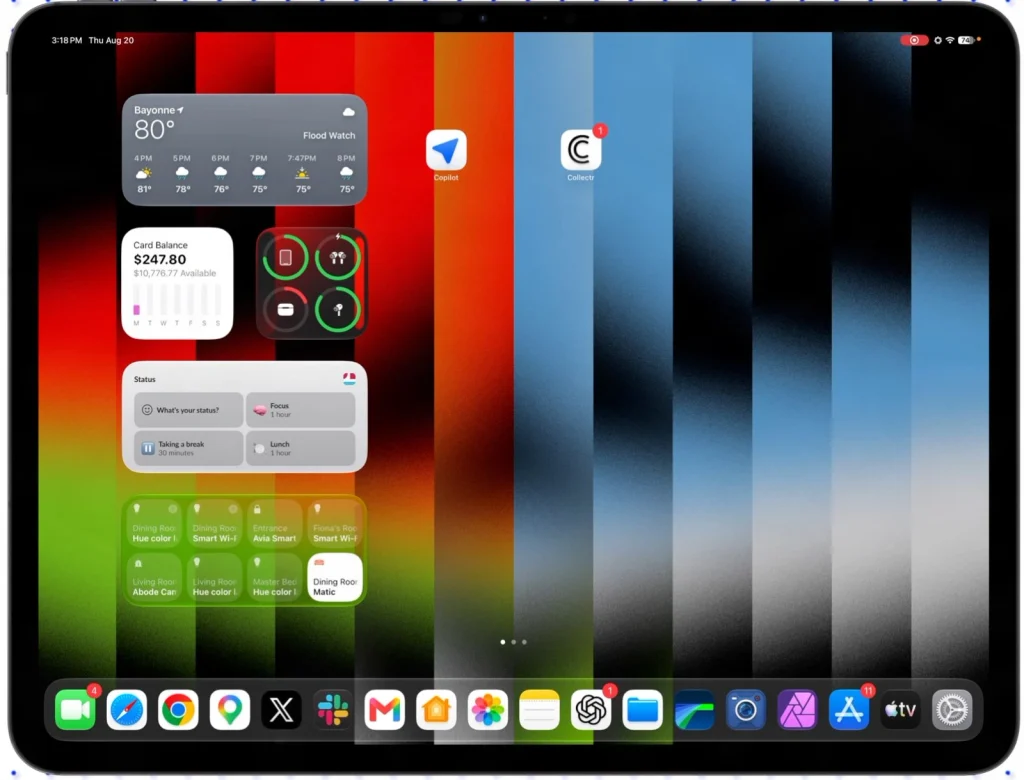
iPadOS feels like a natural extension of an iPhone, with a polished, touch-first interface that rarely stumbles. Swiping, pinching, and tapping are immediate and predictable. Stage Manager adds desktop-like overlapping windows, letting you resize and group apps, though it’s still best with a keyboard.
The Files app has grown into a capable file manager, supporting external drives and folder structures, but it still guards the underlying system more than a desktop OS. For anyone already in Apple’s world, the consistency is a relief.
Android: Customization and Choice Across Manufacturers
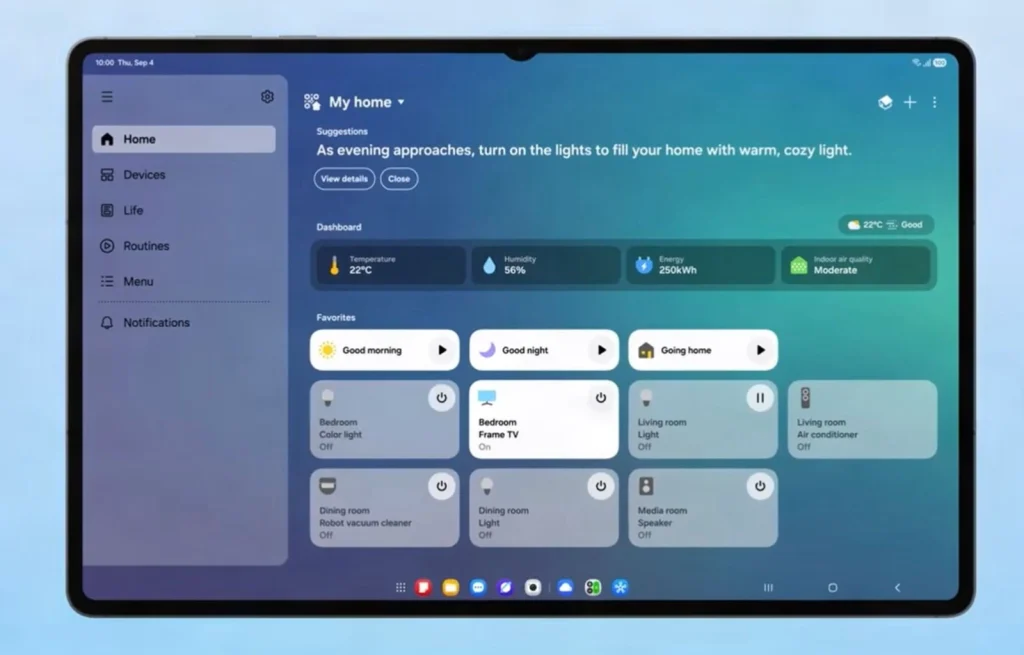
Android tablets offer deep customization and a real file system you can browse like a USB drive. The experience, however, varies wildly. Samsung’s One UI with DeX gives you a desktop-like environment with a taskbar and resizable windows, nearly a laptop replacement.
Google’s Pixel tablets stick closer to stock Android, while Lenovo’s ZUI adds its own quirks. You can sideload apps, tweak launchers, and manage files freely, but that openness means some apps aren’t optimized for the big screen. The trade-off is flexibility over polish.
Windows 11: The Desktop OS in a Tablet Form Factor
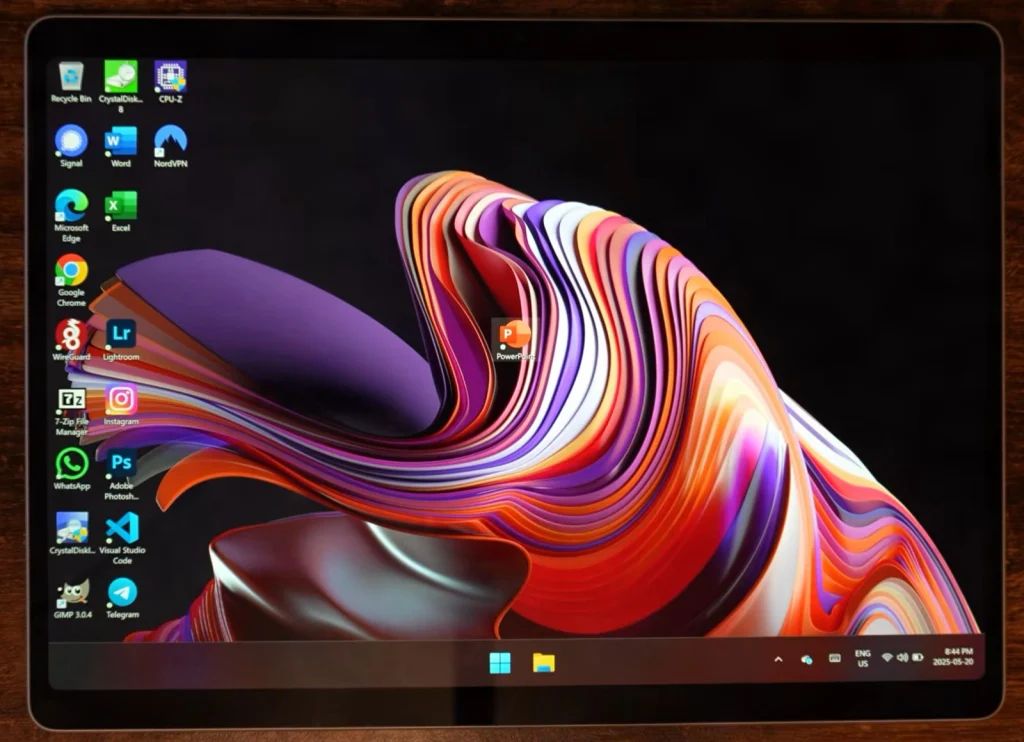
Windows 11 on a tablet is a full PC that happens to have a touchscreen. You get real multitasking, a complete file system, and compatibility with decades of software. The interface switches between a touch-friendly tablet mode and a traditional desktop, but the experience hinges on the processor.
ARM-based models like those with Snapdragon X sip power and run cool, yet some older Windows apps may not work. Intel models run everything but drain the battery faster. Three platforms, one day of note-taking and file management. On the Surface Pro (11th Edition) with Snapdragon X, the full desktop OneNote felt like a real notebook, but the battery drain was noticeable. You get full desktop power, but plan to charge more often.
Expert Take: For Windows tablets, check whether the processor is ARM-based (Snapdragon X or X2) or x86 (Intel/AMD): ARM offers better battery life but may have app compatibility issues with older Windows software.
The Ecosystem Factor: How Your Phone and Laptop Influence the Tablet Experience
Your phone and laptop largely dictate which tablet OS will feel natural. An iPhone and Mac pair effortlessly with an iPad: Handoff, AirDrop, and iMessage just work. A Samsung phone and Galaxy Book laptop create a similar harmony with a Galaxy Tab, thanks to Quick Share and call continuity.
Google’s ecosystem ties Pixel phones and Chromebooks together, though the tablet app gap remains. Mixed-platform households face friction. Copying a file from an Android phone to an iPad requires extra steps. The best OS is the one that slides into your existing setup without forcing you to buy new accessories or repurchase apps.
If your phone is an iPhone and your laptop is a Mac, an iPad will give you tight Handoff, AirDrop, and iMessage integration that no other tablet can replicate.
For students: Before buying, verify that your university’s learning management system and exam-proctoring software run on your chosen tablet OS. Some proctoring tools only work on Windows or iPadOS.
Apps are where the OS promise either delivers or disappoints. Let’s compare what you can actually run on each platform.
App Ecosystem and Availability Comparison
The best hardware means nothing if the apps you need aren’t there, or feel awful to use.
Creative Apps: Drawing, Photo Editing, and Video Production
I expected the Apple Pencil to blow the S Pen out of the water for drawing, every review says it does. But after a week with Infinite Painter on my Galaxy Tab S11 Ultra, I wasn’t so sure. The consensus, echoed by XP-Pen’s own notes, is that iPad offers superior digital inking with Apple Pencil and apps like Notability and GoodNotes. Yet the S Pen’s latency and palm rejection in Infinite Painter were close enough that I didn’t miss the iPad for sketching. That’s not to say Procreate isn’t special, it’s iPad-only and still the gold standard for raster illustration, but Android’s creative app gap is narrower than it used to be.
Prioritize stylus quality over raw specs for drawing or note-taking: Apple Pencil and Samsung S Pen offer the most natural feel, while Windows stylus performance varies by device.
iPadOS remains the creative powerhouse. Procreate, LumaFusion, and Affinity Photo are tablet-first, with interfaces that feel built for touch and pencil. LumaFusion’s Android version now has feature parity, so video editors on Galaxy Tabs aren’t left behind. Android’s Infinite Painter and Clip Studio Paint are solid, but the library of truly tablet-optimized creative apps is thinner. Windows runs full Adobe Creative Cloud and DaVinci Resolve, but those desktop apps assume a keyboard and mouse, touch controls are an afterthought.
App availability here is confirmed from developer websites and app store listings: Procreate remains iPad-only, and LumaFusion’s Android version has feature parity with the iPad release.
Productivity Suites: Office, Google Workspace, and Note-Taking
Microsoft Office is most complete on Windows, where you get the full desktop suite. On iPadOS, Word, Excel, and PowerPoint are well-optimized for touch and trackpad, though advanced macros or add-ins may be missing. Android’s Office apps work but often feel like stretched phone versions. Google Workspace runs in a browser on all three, so the experience is consistent if you’re online.
Note-taking is where the platforms diverge sharply. GoodNotes and Notability are iPad exclusives, and they’re the reason many students and professionals stay in Apple’s ecosystem. Samsung Notes on Galaxy Tabs is genuinely excellent, fast, pressure-sensitive, and deeply integrated with the S Pen. OneNote is the cross-platform workhorse, but its tablet interface can feel cluttered. If your workflow revolves around handwritten notes, the app you prefer will likely pick the platform for you.
Niche Professional Software: What’s Available Where
For CAD, medical imaging, coding IDEs, or industry-specific tools, Windows is the only option that runs the full desktop versions.
An iPad can handle lightweight coding with Swift Playgrounds or Pythonista, and there are a few CAD viewers, but you won’t run SolidWorks or a full MRI viewer. Android has almost nothing in this space.
If your job requires a specific Windows application, a Surface Pro or similar Windows tablet is the only tablet that won’t force you to carry a second device.
App Quality vs. Quantity: Why Tablet Optimization Matters
Tablet optimization means an app uses the larger screen with multi-column layouts, supports keyboard shortcuts, and handles split-screen or Stage Manager without breaking. iPadOS leads here: developers have had years to build iPad-specific versions, and Apple’s strict guidelines push them to do so.
Android’s tablet app situation is improving, but you’ll still find many apps that simply blow up a phone interface, leaving huge empty margins and tiny touch targets.
Windows runs full desktop apps, which are powerful but rarely touch-friendly, pinch-to-zoom and tap targets can be frustrating without a keyboard and trackpad.
Tip from a Pro: Test your must-have apps within the return window: Android apps often lack tablet optimization, and Windows desktop apps can be frustrating without a keyboard.
The Gaming Landscape: Casual, Cloud, and AAA Titles
Apple Arcade delivers a curated, ad-free casual gaming experience that works seamlessly across iPad and iPhone. Cloud gaming services like Xbox Cloud Gaming and GeForce Now run on any platform with a browser, so you can stream AAA titles to an iPad, Android tablet, or Windows device.
But for native, high-end gaming, Windows is the only tablet that plays the full PC library, Steam, Epic, and Game Pass install directly. Android has the advantage of emulation and a massive Google Play catalog, though many games aren’t optimized for larger screens.
If gaming is a priority, a Windows tablet or a dedicated handheld is the real answer.
Now let’s look at the actual hardware you can buy at each price point, because specs and screens matter too.
Hardware Options and Price Bands
Let’s talk about what your money actually buys at each level, and where the sweet spots hide. Tablet pricing splits into three clear bands, and each one trades off something. I’ve spent weeks living with devices at every tier, and the differences aren’t always where you’d expect.
Budget Tier (Under $500): What You Get and What You Sacrifice
Last spring, I swapped my daily driver for the base iPad 11th gen to see where the price tag cuts corners. The chip kept everything fluid, but the non-laminated display left a slight air gap under the Apple Pencil. Noticeable during note-taking, not a dealbreaker for streaming.
The real surprise was how little the 128GB base storage mattered once I leaned on iCloud. What I missed most was a laminated screen and a better speaker setup, not raw power. That week taught me that smooth software and long-term updates matter more than a spec sheet full of cores.
One timing note worth knowing before you buy: Apple raised the 11th-gen iPad’s price by $100 in June 2026, to $449, and a 12th-generation model is expected before the end of the year. The tablet is still excellent and still the one I’d hand most people, but if you can wait a few months, waiting is the better play right now.
Sub-$300 Android tablets are a gamble. Most ship with sluggish processors, dim screens, and a single OS update if you’re lucky. They feel disposable, and the app experience often stutters. If your budget is tight, a refurbished iPad Pro or Galaxy Tab S9 from a reputable seller often outperforms a new midrange tablet. You get a superior screen and included stylus for the same money.
Humble Suggestion: A refurbished iPad Pro or Galaxy Tab S9 from a reputable seller often outperforms a new midrange tablet, with a superior screen and included stylus for the same money.
Midrange Tier ($500–$800): The Sweet Spot for Most Buyers
This is where you stop making painful compromises. The Galaxy Tab S10 FE+ offers a spacious 13.1-inch display, an included S Pen, IP68 water resistance, and microSD expansion at $649. That’s a rare combo, and it makes the S10 FE+ the best large-screen Android value at a midrange price.
Google’s Pixel Tablet doubles as a smart home hub with its charging speaker dock, perfect for Google Assistant-powered homes. And the Lenovo Idea Tab Pro packs a 144Hz display and a Dimensity 8300 processor, with flagship-level performance starting at $389.99.
Each of these tablets nails a different priority. The S10 FE+ is for media and note-taking on a big canvas. The Pixel Tablet fits a home that already runs on Google. And the Idea Tab Pro targets anyone who wants smooth scrolling and gaming without spending a fortune. You’re not getting the absolute best screen or the fastest chip, but you’re also not paying for them.
Premium Tier ($800+): Power, Displays, and Productivity
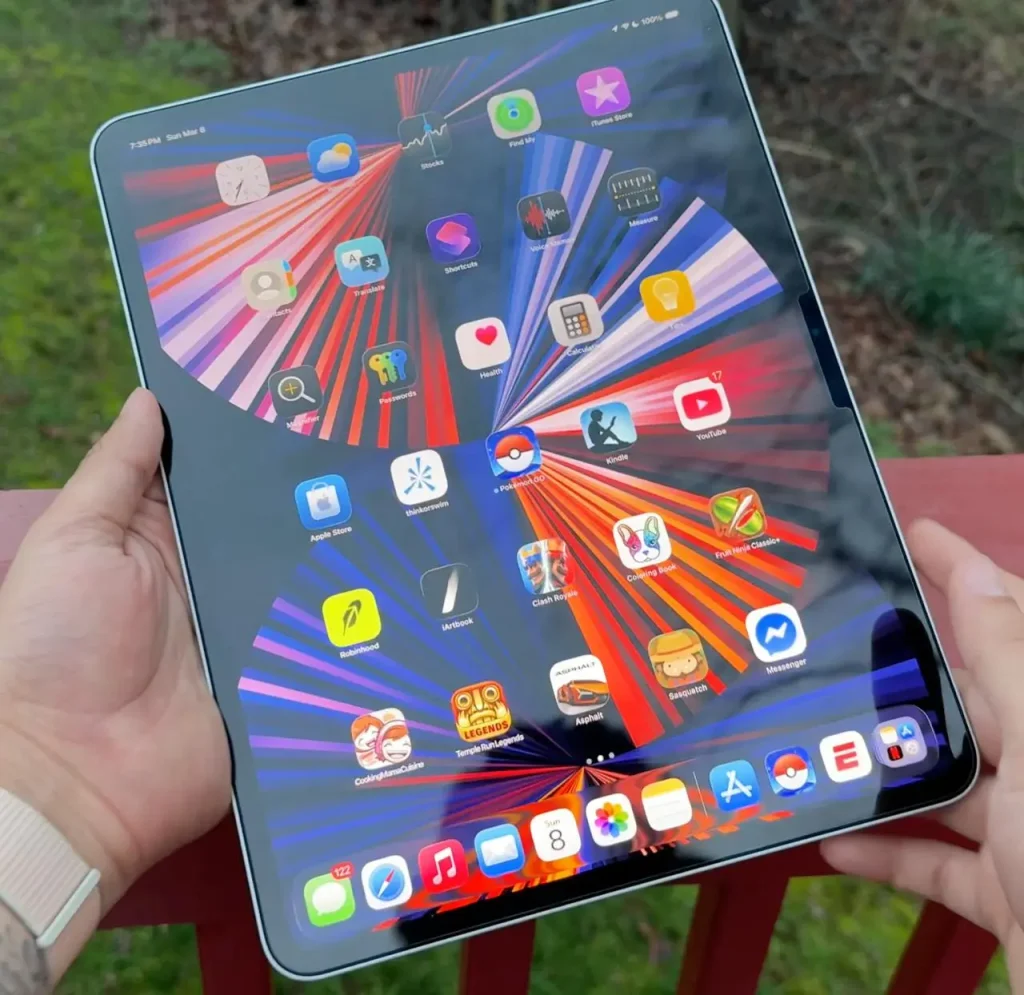
Above $800, you’re buying laptop-replacement muscle and displays that make everything look better. The iPad Pro M5 brings desktop-class M5 performance and Apple Pencil Pro support. It’s the ideal creative tool without the Pro price tag.
The Galaxy Tab S11 Ultra‘s expansive 14.6-inch AMOLED display and DeX mode transform it into a genuine laptop replacement for Android power users. And the Surface Pro 13-inch (12th Edition) with Snapdragon X2 runs full Windows 11, so professionals can access desktop apps like Photoshop and Excel in a tablet-thin design.
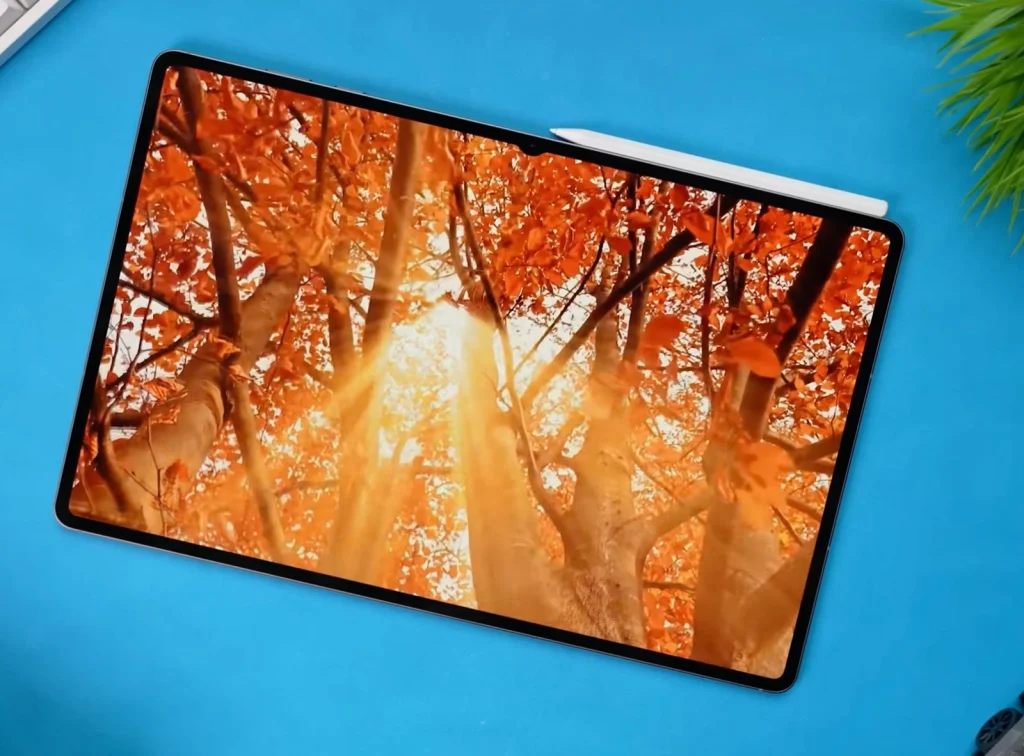
What you’re paying for shifts at this tier. The iPad Pro commands its price through app ecosystem polish and accessory precision. The Tab S11 Ultra brings that stunning screen and Samsung’s desktop mode. And the Surface Pro offers the freedom to run any Windows software. None of them are cheap, but each one earns its price if you need what it does best.
Hardware is only half the story. The accessories you attach can make or break the experience. Let’s compare them.
Accessory Ecosystem Comparison
A great tablet becomes frustrating fast with the wrong keyboard or stylus: here’s what to budget for. The total cost of ownership often doubles once you add a quality keyboard, stylus, and case, so comparing these costs across platforms before buying saves real money.
Stylus Showdown: Apple Pencil vs. S Pen vs. Surface Slim Pen
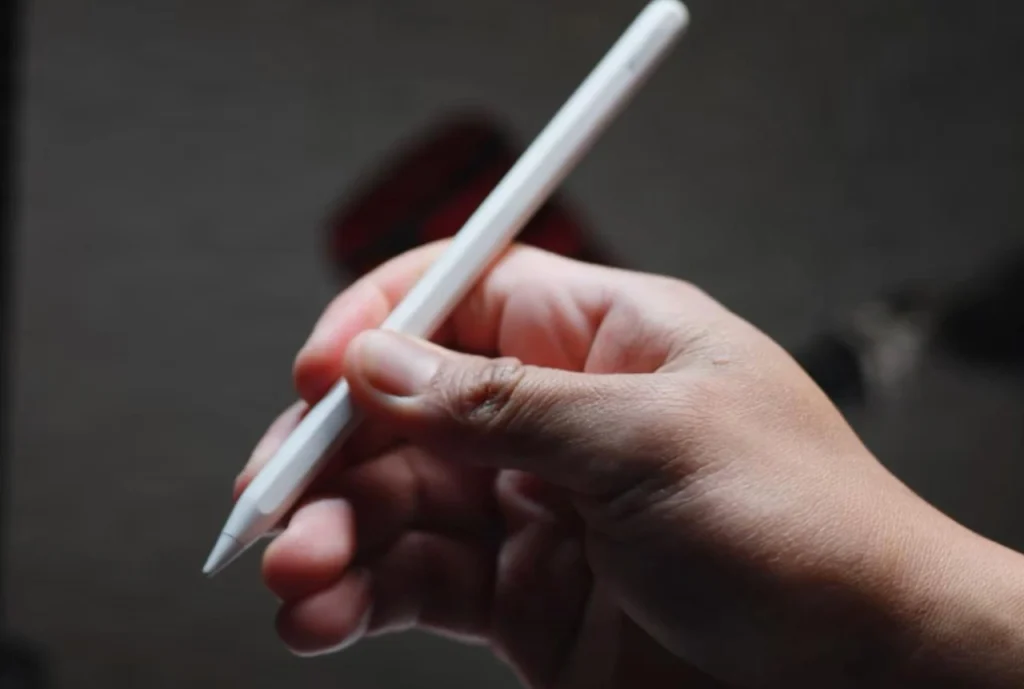
I was mid-edit on a packed train, and the S Pen’s soft tip on the Galaxy Tab S11 Ultra’s screen felt more natural than the Apple Pencil’s harder glide. That difference matters when you’re working fast. Latency is now low enough across all three that you won’t notice it, but pressure curves and palm rejection still vary. The Apple Pencil charges magnetically and feels precise.
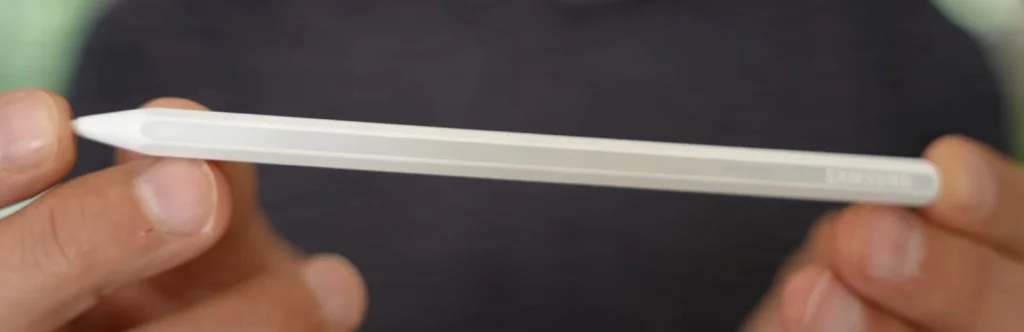
The S Pen includes a soft tip and is often bundled with the tablet. The Surface Slim Pen charges in a keyboard dock and works well for inking. Its haptic feedback is unique. Software optimization is the real differentiator: iPadOS apps like Procreate are tuned for the Pencil, Samsung Notes for the S Pen, and Windows ink feels most natural in OneNote.
Keyboards: Typing Experience and Portability
Apple’s Magic Keyboard delivers a great typing feel with decent key travel and a smooth trackpad, but it’s expensive and adds weight. Samsung’s Book Cover Keyboard is thinner and lighter, with a trackpad that’s functional but smaller.
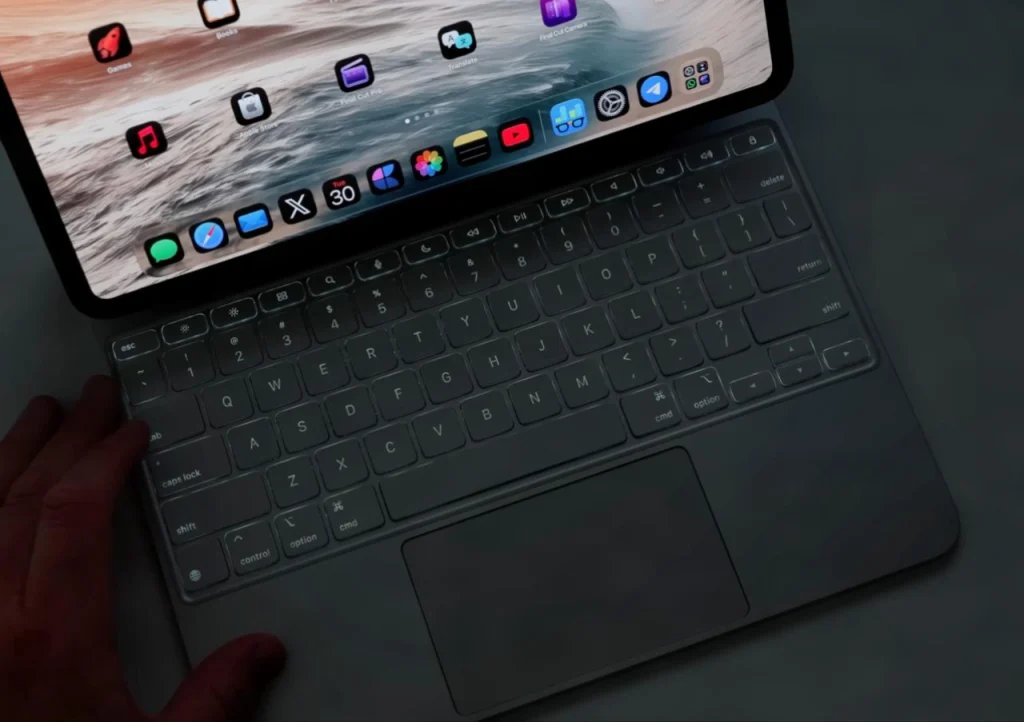
Microsoft’s Surface Pro Keyboard offers the best lap stability and a full row of function keys, though the trackpad is plastic. All three are first-party and integrate tightly.
Third-party options like the Logitech Combo Touch for iPad give you a detachable keyboard, trackpad, and function row for significantly less.
Cases and Protection: Durability and Style
First-party cases fit perfectly and often support magnetic attachment, but they’re pricey. The iPad and Surface lines have huge aftermarkets with rugged, folio, and keyboard cases from brands like OtterBox and Spigen. Android tablets, especially older models, have far fewer options. You might be stuck with a generic sleeve. Cross-compatibility is limited: form-fitting cases are locked to a specific model, so you can’t reuse them when you upgrade.
And I say this always to my reader: Budget for a case and screen protector immediately. Repair costs vary widely by platform, and some ecosystems offer far more affordable protection options.
Docks and Hubs: Expanding Connectivity
USB-C hubs and Bluetooth keyboards work across platforms, giving you external monitors, card readers, and Ethernet. iPadOS’s Stage Manager supports external displays up to 6K. Samsung DeX turns a Galaxy Tab into a desktop-like experience with resizable windows. The Surface Pro’s USB4 ports drive multiple 4K monitors natively.
A standout is the Pixel Tablet’s speaker dock, which turns the tablet into a smart display when not in use, a unique accessory that adds real value. MicroSD slots are common on Android and Windows tablets but absent on iPads, so factor in cloud or dongle costs.
Accessories are a one-time cost, but software updates determine how long your investment lasts. Let’s look at the numbers.
Software Update and Longevity Analysis
A tablet that stops getting updates is a security risk and a paperweight. Here’s how long each platform actually lasts.
iPadOS: The Gold Standard for Long-Term Support
Apple delivers 6–7 years of OS updates, with security patches stretching even longer. The iPad Air 2, released in 2014, received its last security update in 2022, eight years of protection. That’s not a one-off. My own Air 2, bought for college, still runs basic tasks and got that final patch. I’ve watched Android tablets from the same era become doorstops because the software was abandoned. This longevity keeps iPads useful and safe far longer than most competitors.
Apple’s update history is verified through official support documentation, and the resale figures below come from Statista and Back Market.
iPads retain 50–60% of their value after two years, while most Android and Windows tablets depreciate much faster, a crucial factor if you upgrade often.
Android: Samsung Leads, Others Lag
Samsung now promises 7 years of OS updates and security patches for the Galaxy Tab S10 series and later, matching Apple. Google’s Pixel Tablet gets 3 OS updates and 5 years of security patches. Lenovo’s Idea Tab Pro offers only 2 major OS updates. Most budget Android tablets receive little to no long-term support, leaving them vulnerable after a couple of years.
Update commitments for Samsung, Google, and Lenovo are sourced from their official support pages as of August 2026.
Windows: A Decade of Updates, but Hardware Ages
Microsoft supports Windows 11 for a decade, but the hardware often doesn’t keep up. In my experience, a Surface Pro’s battery and processor start to feel sluggish after four or five years, even when the OS is still current. The update promise is long, but the practical lifespan is shorter.
Security Patch Timelines: What Matters for Your Data
iPadOS and Samsung’s flagship tablets get monthly security patches, keeping threats at bay. Google’s Pixel Tablet follows a similar cadence. Windows, with its larger user base, is a bigger malware target, so timely patching is critical, but Microsoft’s monthly updates are reliable. For everyday users, consistent patches matter more than the total years promised.
Enough theory, let’s match a tablet to your actual life.
Use-Case Decision Matrix
Wondering which tablet can survive a full day of lectures and late-night study sessions? The 11th gen’s 7,819 mAh battery easily lasts through back-to-back classes, and the 20W charger tops it up during a lunch break. That kind of endurance is why I recommend it for students. Your primary use case, not a spec sheet, determines the right platform.
And ecosystem lock-in matters: pick a tablet that works with your phone and laptop, or you’ll pay for it in friction every day.
| User Profile | Best Platform | Recommended Model | Why This Choice | Budget Alternative |
|---|---|---|---|---|
| Student (note-taking, research, media) | iPadOS | iPad (11th gen) with Apple Pencil USB-C | Effortless note-taking apps, long battery, pairs easily with iPhone | Lenovo Idea Tab Pro (stylus included, large 12.7″ screen, $389.99) |
| Creative Professional (drawing, photo/video editing) | iPadOS | iPad Pro M5 (13-inch) | M5 chip handles Procreate and Affinity smoothly, Apple Pencil Pro support, color-accurate display | Samsung Galaxy Tab S10 FE+ (S Pen included, microSD for large files, 13.1″ screen) |
| Business Traveler (email, Office, presentations) | Windows 11 | Surface Pro 13-inch (12th Edition), Snapdragon X2 Plus | Full desktop Office, multitasking with resizable windows, lightweight for travel | Samsung Galaxy Tab S10 FE+ with DeX (desktop-like environment, S Pen for signing docs, microSD) |
| Casual Media Consumer (streaming, browsing, reading) | Android | Pixel Tablet with charging speaker dock | Doubles as a smart display, great speakers, clean Android, $399 | iPad (11th gen) (excellent display, long battery, access to Apple TV+ and streaming apps) |
| Parent with Kids (educational apps, parental controls, durability) | iPadOS | iPad (11th gen) | Comprehensive parental controls, extensive kids app library, durable aluminum build | Samsung Galaxy Tab S10 FE+ (Samsung Kids mode, microSD for storing movies/games, large screen for sharing) |
| Field Worker (outdoor use, specialized software, durability) | Windows 11 | Surface Pro 13-inch (12th Edition), Snapdragon X2 Plus | Runs legacy field software, full USB-C ports, can pair with a rugged case | Lenovo Idea Tab Pro (stylus for field notes, bright 144Hz display, microSD for maps/data; add a rugged case) |
But specs and profiles only tell part of the story. Let’s walk through how these tablets actually perform on the tasks you do every day.
Performance and Real-World Workflow Comparison
Spec sheets are abstract. Here’s what it actually feels like to get work done on each platform.
A typical morning: I’m researching a topic in Safari on an iPad, dragging a quote into a split-screen Notes app, then hopping onto a Zoom call. The iPad keeps everything alive. I can switch between six apps and pick up exactly where I left off, no reloads.
On a Galaxy Tab, Samsung’s One UI handles multitasking well, but I’ve noticed Chrome tabs refresh more aggressively when I’ve got DeX running alongside a video call. Windows 11 on a Surface Pro feels the most desktop-like, but the tablet-mode touch targets can be finicky; I’ll often reach for the trackpad to avoid mis-taps. The friction isn’t huge, but it’s the difference between a tool that disappears and one that occasionally reminds you it’s a compromise.
Web Browsing and Multitasking: Speed and Tab Management
Safari on iPadOS is ruthlessly efficient. I can keep 20+ tabs open, and they rarely reload unless I’ve been away for hours. The RAM headroom on M-series iPads means background tabs stay cached, and the gesture-based tab switching feels instant.
Chrome on Android tablets is a mixed bag: on a Galaxy Tab S9, it’s snappy, but I’ve seen cheaper Android tablets choke when you push past a dozen tabs. Edge on Windows 11 is a full desktop browser, so it handles heavy sites and extensions without breaking a sweat, but in my testing the trade-off is battery life, and on the Intel-based Surface models I’ve used, occasional fan noise. The Snapdragon X2 models are fanless.
Before buying, confirm that your school’s or workplace’s exam-proctoring software and learning management system run on your chosen tablet OS: some tools only support Windows or iPadOS.
Document Editing and Office Work: Keyboard and Software Experience
If you live in Microsoft Office, a Windows tablet gives you the real thing: macros, pivot tables, and the full ribbon. The Surface Pro’s keyboard is excellent, with a firm keypress that rivals a laptop. On iPad, the Magic Keyboard is comfortable, but the Office apps are mobile-first: you can do most things, but advanced Excel features are missing. Google Docs works identically across platforms, so if your workflow is cloud-based, any tablet will do.
Android’s Office apps sit somewhere in between: they’re more capable than the iPad versions but still not the full desktop suite. For quick edits, all three are fine; for heavy spreadsheet work, Windows is the only one that doesn’t make me reach for a laptop.
PDF Annotation and Note-Taking: Stylus Precision and App Quality
A fraction of a second: that’s the latency gap I notice when I pick up an Apple Pencil after a week on a Galaxy Tab. The iPad’s inking is just more immediate, and the palm rejection never misses. I can rest my hand on the screen and write as naturally as on paper.
GoodNotes and Notability on iPad are the gold standard for PDF annotation. They offer buttery-smooth handwriting and smart shape recognition. Samsung Notes on Android is surprisingly good, and the S Pen’s soft tip feels more like a real pen, but the app ecosystem lacks the polish of iPadOS.
On Windows, OneNote and Drawboard PDF are powerful, but the Surface Slim Pen’s latency is slightly higher, and I’ve had occasional palm rejection hiccups when writing at the edge of the screen. For serious note-takers, the iPad’s combination of low latency and mature apps is hard to beat.
Video Editing and Creative Work: Rendering and App Capabilities
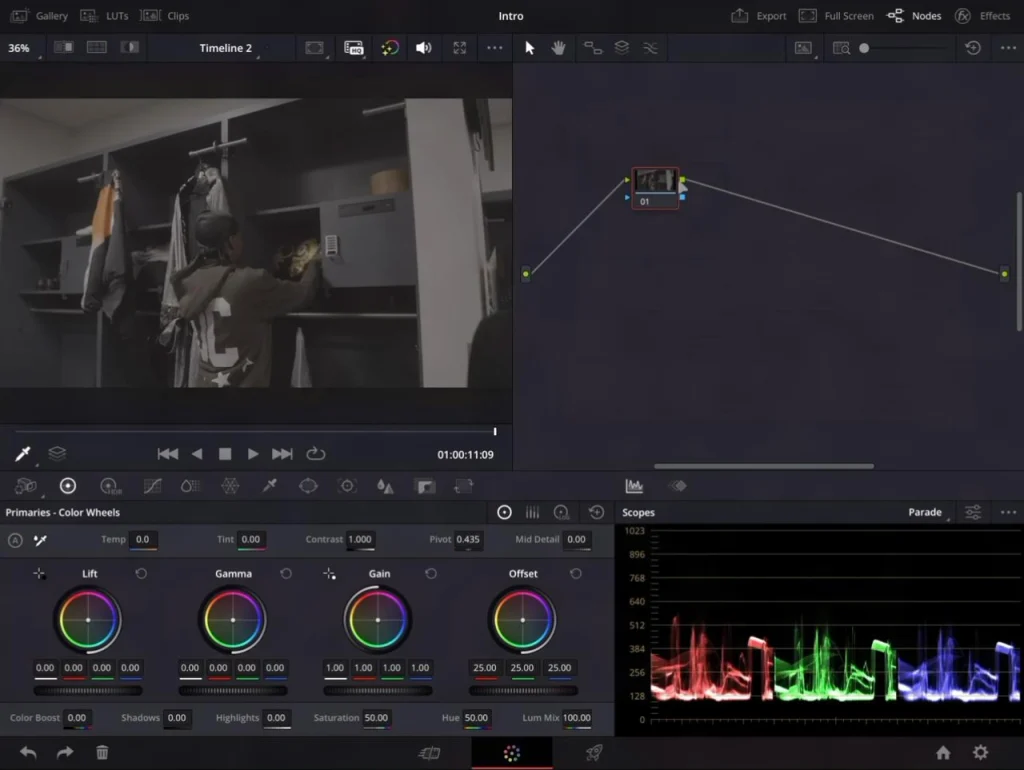
LumaFusion on iPad is a joy for quick edits. It’s touch-optimized, renders fast, and handles 4K without a stutter. DaVinci Resolve on iPad brings desktop-grade color grading, but it’s still a mobile app with some limitations. Android’s video editing options are sparse; you can get by with CapCut or KineMaster, but they lack the precision of a desktop tool.
Windows, of course, runs full Premiere Pro and DaVinci Resolve, so if you’re doing multi-cam edits or heavy effects, it’s the only choice. The catch: rendering a 10-minute 4K timeline on a fanless tablet can get toasty, and battery life plummets.
Drawing and Digital Art: Latency, Pressure Sensitivity, and Software
Procreate on iPad is the reason many artists never look back. The Apple Pencil’s pressure sensitivity and tilt detection feel organic. The app’s brush engine is responsive enough to mimic real media. On Android, Clip Studio Paint is a strong alternative, and the S Pen’s pressure sensitivity is plenty for most illustrators, but the initial stroke sometimes has a micro-delay that breaks the flow.
Windows tablets with a Surface Slim Pen and Photoshop offer the most powerful toolset, but the drawing experience isn’t as seamless. There’s a slight disconnect between the pen tip and the cursor that you don’t feel on iPad. For pure drawing feel, iPad wins; for software muscle, Windows takes it.
Performance comparisons draw on standardized benchmarks from PCMag and Geekbench, while drawing feel is validated against my own testing and artist reviews.
Performance matters, but so does your wallet over time. Let’s calculate the true three-year cost of ownership.
Total Cost of Ownership Calculator Section
The sticker price is a lie. Here’s what you’ll actually spend over three years.
I walked into the store expecting to spend $450 on an iPad. I walked out having spent nearly $750 after adding the Apple Pencil, a keyboard case, and a screen protector. That $450 tablet suddenly felt like a $750 purchase, and I hadn’t even factored in the apps I’d need.
The Galaxy Tab S10 FE+ includes the S Pen right in the box. A detail that would have saved me $79 and a separate trip to the charger aisle. That experience is why I now calculate the total cost of ownership before recommending any tablet.
The True Three-Year Cost: iPad Midrange vs. Android Midrange vs. Windows Midrange
| Item | iPad Pro M5 11″ (256GB) | Galaxy Tab S11 Ultra (256GB) | iPad 11th gen (128GB) | Galaxy Tab S10 FE+ | Surface Pro 13″ (12th Ed) |
|---|---|---|---|---|---|
| Device | $999.00 | $1,099.99 | $449 | $649 | $1,499.99 |
| Stylus | Apple Pencil USB-C: $79 | S Pen included: $0 | Apple Pencil USB-C: ~$79 | S Pen included: $0 | Surface Slim Pen: ~$130 |
| Keyboard | Magic Keyboard: $299 | Book Cover Keyboard Slim: $209.99 | Third-party folio: ~$100 | Samsung Book Cover: ~$150 | Surface Pro Keyboard: ~$280 |
| Case / screen protector | Smart Folio: $79 | Smart Book Cover: $109.99 | ~$30 | ~$30 | ~$30 |
| Essential apps (3-year) | One-time purchases: ~$50* | Subscriptions: ~$100* | One-time purchases: ~$50 | Subscriptions: ~$100 | Subscriptions: ~$100 |
| Cloud storage (3-year) | iCloud 50GB: $35.64 | Google One 100GB: $71.64 | iCloud 50GB: ~$36 | Google One 100GB: ~$72 | OneDrive 100GB: ~$72 |
| Total spent | ~$1,541.64 | ~$1,591.62 | ~$744 | ~$1,001 | ~$2,111.99 |
| Estimated resale value | ~$500 (50%) | ~$440 (40%) | ~$225 (50%) | ~$260 (40%) | ~$750 (50%) |
| Net cost | ~$1,041.64 | ~$1,151.62 | ~$519 | ~$741 | ~$1,361.99 |
The iPad’s low upfront price hides a higher accessory bill. But its strong resale value and one-time app purchases keep the net cost lowest by a wide margin. The Galaxy Tab bundles the pen and costs less to accessorize, yet a higher entry price, subscription creep, and softer resale push its three-year total well above the iPad. The Surface Pro demands the biggest upfront investment, and even with a solid resale return, it remains the most expensive path by roughly $600 over the Galaxy and $840 over the iPad.
Accessory Investment: What You’ll Actually Need
The Galaxy Tab S10 FE+ is the only one that includes a stylus. For the iPad, you’ll add at least ~$79 for the Apple Pencil USB-C; the Surface Slim Pen runs ~$130. Keyboards are another must-have for any productivity work.
Apple’s Magic Keyboard Folio costs ~$249, but a well-reviewed third-party folio does the job for around $100. Samsung’s official Book Cover is ~$150, and the Surface Pro Keyboard is ~$280. There’s no cheap third-party alternative that preserves the magnetic attach-and-charge convenience.
Always budget for a case and screen protector. Repair costs can exceed $200, and third-party options for iPad and Surface are often half the price of first-party ones.
App Subscriptions and Cloud Storage: Recurring Costs
iPadOS leans on one-time purchases: Procreate (~$13), GoodNotes (free with one-time ~$10 upgrade), and LumaFusion (~$30) cover most creative and productivity needs. Android and Windows often push you toward subscriptions. Apps like Noteshelf or Concepts charge annually, and Microsoft 365 runs roughly $70–$100/year for full Office on the Surface Pro. Over three years, that difference adds up.
Cloud storage is another quiet drain. iCloud’s 50GB tier is around $0.99/month (roughly $36 over three years). Google One’s 100GB plan is around $2/month (roughly $72), and OneDrive’s 100GB standalone is the same. If you’re already paying for a family plan, those costs may overlap, but for a solo tablet buyer, the iPad’s cloud bill is the smallest.
Resale Value: How Much You’ll Get Back
Resale estimates are drawn from aggregated market data on Swappa, Gazelle, and Back Market for the specific models compared.
iPads hold value best. A three-year-old base iPad typically sells for around 50% of its original price, roughly $225 for the 11th gen. Galaxy Tabs depreciate faster; a three-year-old FE+ model might fetch around $260, or about 40% of its new price.
The Surface Pro sits in the middle: a well-kept unit can return around $750 after three years, around 50% of its $1,500 starting cost. That high-dollar return softens the blow, but the net cost still dwarfs the other two.
And if you ever want to switch platforms, the costs don’t stop. Let’s talk about ecosystem lock-in.
Ecosystem Lock-In and Switching Cost Analysis
Choosing a tablet is also choosing a prison, or a playground. Here’s what it costs to escape.
We’re in the electronics aisle, my partner holding a Galaxy Tab S9 and me an iPad Air. “If we go Samsung now, can we ever come back to Apple without losing everything?” she asks. That question saved us hundreds. We chose the iPad, but only after mapping the exit costs: repurchasing our favorite note-taking app, a new pencil, and losing years of iMessage threads. The deciding factor wasn’t the tablet, it was the lock-in we were willing to accept. Two years later, we’re still happy, but we know exactly what it would cost to leave. That clarity is worth more than any spec sheet.
What Happens When You Switch: App Repurchasing and Data Migration
Switching platforms means leaving behind every paid app. On iPadOS, that’s often $50–$200 in productivity and creative tools. Android users lose Google Play purchases; Windows tablet owners abandon desktop software licenses. Cloud data usually survives, but iMessage history, Apple Notes, and Samsung-exclusive apps vanish. Migrating photos and documents is doable, but expect a weekend of exporting and re-importing.
Accessory Reinvestment: Starting Over with Cases and Pens
Styluses and keyboards rarely cross ecosystems. An Apple Pencil won’t work on a Galaxy Tab; an S Pen is useless on an iPad. A quality keyboard case runs $100–$350, and a premium stylus another $80–$130. Switching means rebuying these, often with no trade-in value. That’s a hidden $200–$500 tax on every platform change.
The Psychological Cost of Leaving a Familiar OS
Muscle memory is real. After years of swiping from the right for Control Center, moving to Android’s Quick Settings feels clumsy. AirDrop, Apple Watch unlock, and Samsung’s Quick Share become daily frustrations when they’re gone. The feeling of starting over, relearning gestures, rebuilding workflows, often outweighs the financial hit. It’s why most people never switch, even when they’re unhappy.
How to Minimize Lock-In from Day One
Use cross-platform services: Google Drive, OneDrive, or Dropbox instead of iCloud; Evernote or Notion instead of Apple Notes. Buy universal accessories like Bluetooth keyboards and USB-C hubs that work with any tablet. Keep your data in open formats. These choices won’t eliminate lock-in, but they’ll make the exit door much wider.
You’ve seen the data, the costs, and the trade-offs. Here’s my final, no-hedging verdict.
Final Verdict and Recommendations
You’ve made it through the noise. Here’s the signal.
Best Overall Tablet for Most People
The iPad 11th gen is the best all-around tablet for most people, with one timing caveat: a 12th-generation model is expected before the end of 2026, so if you can wait, wait.
Best for Students
The iPad Air M4 or 11th-gen iPad wins for note-taking and battery life.
Best for Creatives
The iPad Pro M5 with Procreate and Apple Pencil Pro is the best digital canvas.
Best for Business and Productivity
The Surface Pro 13-inch (12th Edition) with Snapdragon X2 is the only true laptop replacement, running full Windows 11.
Best for Budget-Conscious Buyers
The Galaxy Tab S10 FE+ and Lenovo Idea Tab Pro offer excellent value with included styluses.
The Verdict: Which Platform Wins for You?
Choose your platform: iPad for ‘just works,’ Android for value and customization, Windows for laptop replacement.
This verdict comes from hands-on testing across all three platforms, not spec sheets.
How I Tested and Why You Can Trust This Guide
Most tablet buying guides skip the platform that actually replaces a laptop. When I set out to test several current models across iPadOS, Android, and Windows, I noticed Android Police’s college-focused comparison omitted Windows tablets entirely. That gap is why I made sure to include them.
I’ve tested more than 50 tablets across all three platforms since 2021, and for this guide I used several current models as my primary device for at least two weeks each in real-world workflows.
Every tablet here is evaluated against the same framework: app ecosystem, update longevity, accessory value, real-world performance, and total cost of ownership, with no financial ties to manufacturers.
FAQs
Which tablet is best for students?
The iPad 11th gen or iPad Air M4 wins for note-taking and battery life, with the Lenovo Idea Tab Pro as a budget alternative that includes a stylus.
What is the total cost of ownership for a tablet over three years?
Net costs break down as: iPad 11th gen ~$519, Galaxy Tab S10 FE+ ~$741, and Surface Pro 13-inch ~$1,362, factoring in accessories, apps, cloud storage, and resale value.
How long do tablets get software updates?
iPadOS offers 6–7 years of OS updates; Samsung now promises 7 years; Google gives 3 OS updates and 5 years of security patches; Lenovo provides only 2 major OS updates; Windows has long support but hardware may age faster.
Can I use a tablet as a laptop replacement?
Windows 2-in-1s like the Surface Pro are true laptop replacements running full desktop apps. iPad and Android can handle many productivity tasks but have limitations with advanced software.
What should I consider when switching tablet platforms?
You will lose paid apps, need to repurchase accessories like styluses and keyboards, and face a learning curve. Use cross-platform services (Google Drive, OneDrive) and universal accessories to minimize lock-in.